Dhikr Collective
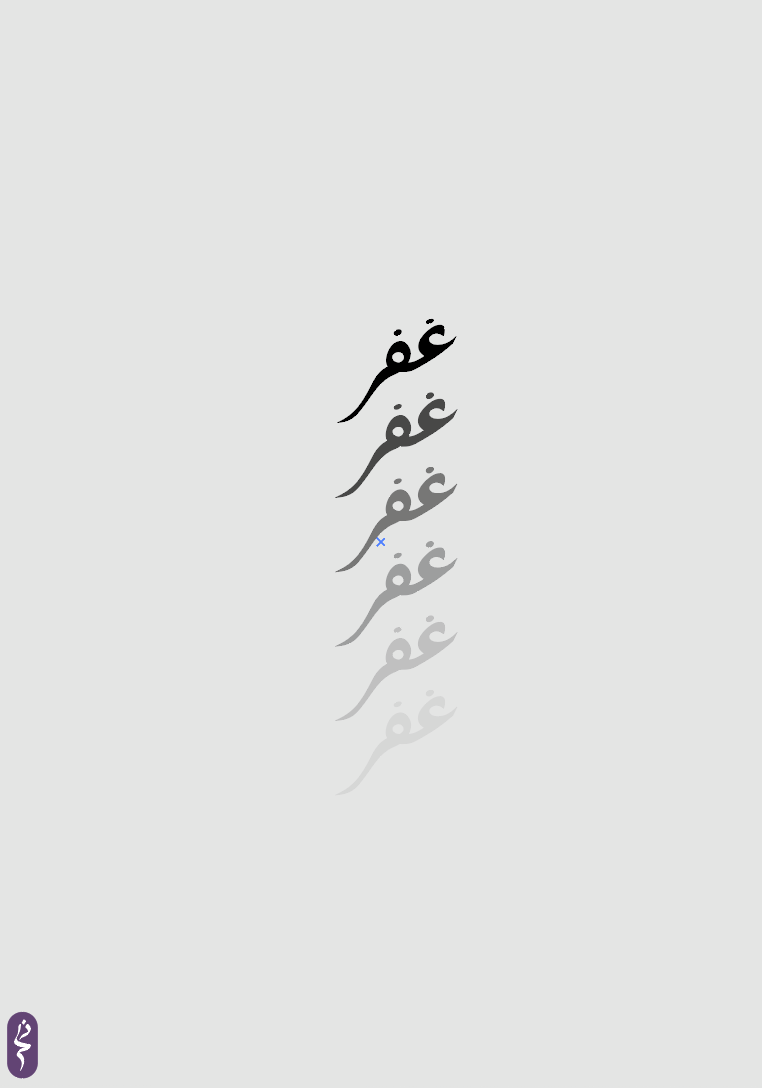
غفر | Al Ghafir Al Ghafur Al Ghaffar | The Forgiver, All-Forgiving, and One Who is Full of Forgiveness
غفر | Al Ghafir Al Ghafur Al Ghaffar | The Forgiver, All-Forgiving, and One Who is Full of Forgiveness
Couldn't load pickup availability
Allah’s Mercy is reflected in His Divine Names, Al-Ghafir (The Forgiver), Al-Ghafur (The All-Forgiving), and Al-Ghaffar (The One who is full of forgiveness) – All of which share one root (غــفــر): to cover and protect.
Although we translate the prayer, “Allah forgive me” to “ربي اغفر لي”, a more comprehensive translation would rather emphasize that it is an ask is to cover our sin and protect us from its effect on us in this life and the next.
That is true Maghfira (Forgiveness). To be granted mercy through the greatest of Protectors.
In this dunya, Allah’s Maghfira covers our sin and protects us from its impact on ourselves. On the Day of Judgement, Allah will choose to cover the sins of believers and protect them from Hellfire.
Our share in this lies in concealing our own sins and the sins of others.
“A servant does not cover the faults of another servant in the world but that Allah will cover his faults on the Day of Resurrection.”
But why have three names that are so similar? There are key differences in each of these names as explained by Imam Al-Ghazali:
- Al Ghafir, The Forgiver – Indicates the basis of forgiveness only. (mentioned 1x in the Quran)
- Al Ghafur, The All-Forgiving – Indicates multiple forgiveness in relation to many offenses. (mentioned 91x in the Quran)
- Al Ghaffar, The One who is full of forgiveness – signifies a multiplicity by way of repetition and completeness, that is, He forgives all one’s offenses time and time again. (Mentioned 5x in the Quran)
SubhanAllah, even the number of times each of these names is mentioned in the Quran reflects their specific meaning and intensity.
Allah’s vast forgiveness should fill us with hope – but we should be mindful of maintaining an essential balance. There should be a fear of Allah alongside our hope so that we don’t purposely disobey Allah and say we will repent later.
Which would drive us away from sinning openly at the very least. This aligns perfectly with the meaning of ghafr – why would you expose what Allah has concealed for you?
Seeking forgiveness further polishes the heart of the believer and clears the path for spiritual light from Allah.
To seek forgiveness is to reflect on our own selves and deeds, becoming aware of the mistakes we’ve made.
The Prophet pbuh told us: “The one who (regularly) seeks forgiveness, Allah will relieve him of every burden, and make from every discomfort an outlet, and He will provide for him from (sources) he never could imagine.” (Abu Dawud)
Finally, we should go to Allah with good deeds, and join gatherings that are filled with the remembrance of Allah.
This is what the greatest of greats did, Prophet Musa a.s. had grave sins yet Allah loved him – why? He had great deeds that far outweighed his sins, moreover, he sought Allah’s forgiveness and repented sincerely.
إِنَّ ٱلْحَسَنَـٰتِ يُذْهِبْنَ ٱلسَّيِّـَٔاتِ
Surely good deeds wipe out evil deeds. (11:114)